Stinging Insects: Protect Your Home & Family
Worried about painful stings? Our blog helps homeowners understand and manage stinging insects like wasps, bees, and hornets. Learn crucial prevention tips, safe removal strategies, and how to identify common pests to protect your family and enjoy your outdoor spaces without fear. Get expert advice for effective stinging insect control.
Don't Get Stung! A Homeowner's Guide to Stinging Insects and How to Stay Safe
Warm weather in Florida means more time outdoors, enjoying our beautiful surroundings. But it also means increased activity from various insects, including those with a painful sting. Stinging insects like bees, wasps, and hornets can turn a pleasant day into a painful emergency, especially for those with allergies. Understanding these common pests is the first step to keeping your home and family safe.
The Buzz About Stinging Insects: Friends and Foes
Bees, wasps, and hornets are vital to our ecosystem. Bees, in particular, are incredible pollinators, helping 70 of the top 100 crops we eat thrive, alongside countless flowering plants. Wasps also play a part in pollination and are natural predators, feasting on other harmful insects and larvae that might damage your garden. Worldwide, there are over 20,000 species of bees and 75,000 species of wasps, with about 4,000 combined species in the United States alone! True hornets are less common, with only about 20 species globally and just one regularly found in North America.
Despite their ecological importance, when these stinging insects decide to build a nest too close to your home, they quickly become an unwelcome problem.
What Stinging Insects Might You Encounter?
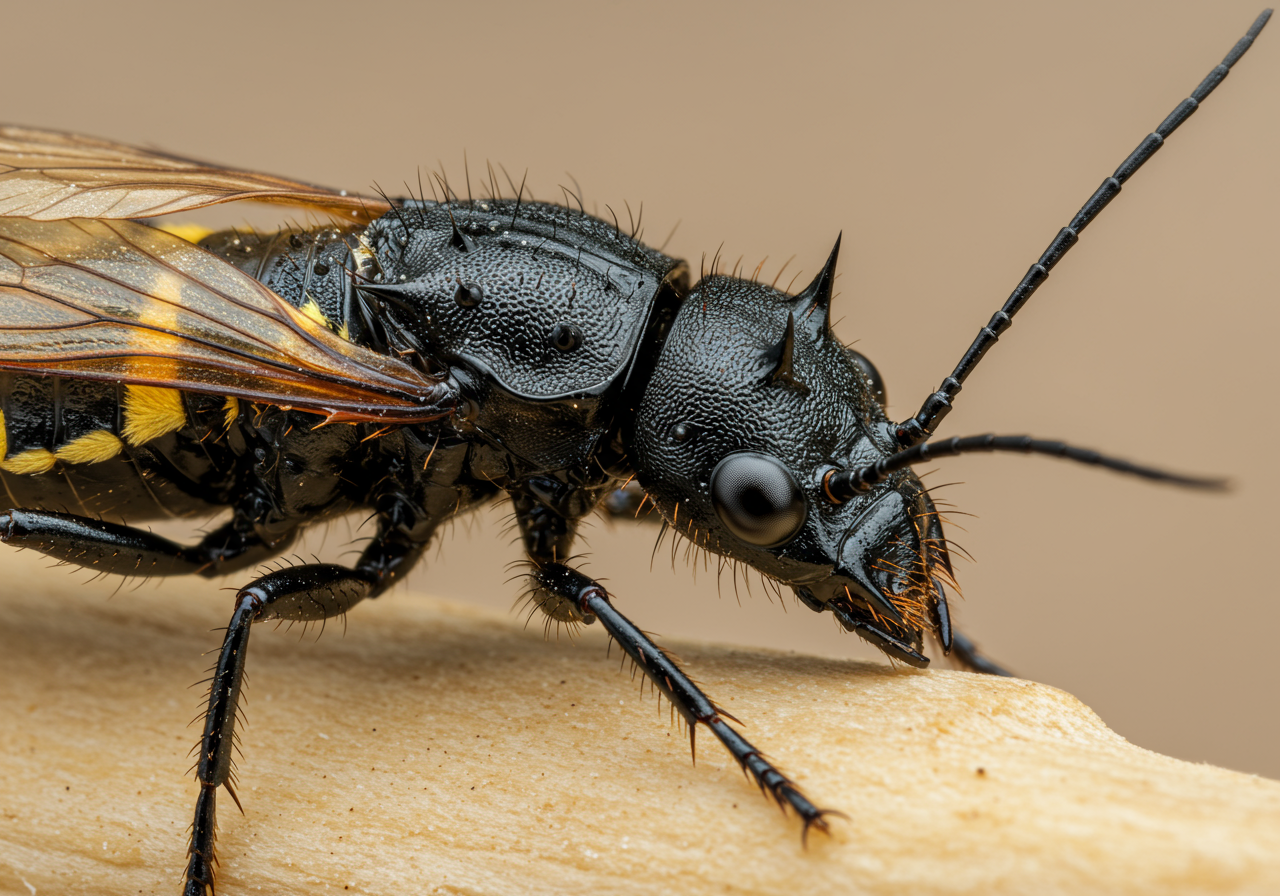
While they all sting, bees, wasps, and hornets have distinct features:
- Bees: Often appear fuzzy or hairy. Honeybees are typically golden-brown with black stripes, while bumblebees and carpenter bees are famously yellow and black. Honeybees generally sting only once, leaving their stinger behind. Carpenter bees, however, are known for boring tunnels into wood structures like decks and eaves to build their nests.
- Wasps: Generally have smoother, more slender bodies than bees. Their colors vary widely, from brown and yellow to bright red or metallic blue. Unlike honeybees, wasps can sting multiple times. Common wasps include yellow jackets (often attracted to human food at picnics) and paper wasps.
- Hornets: These are a larger type of wasp, often more rounded and sizable, with bigger heads. They can be quite aggressive, especially when their nest is disturbed, and their sting can be particularly painful. Like other wasps, hornets can sting multiple times.
You'll most often see these insects active during spring and summer as they search for food and raise their young. When the weather cools, they typically become less active or hibernate.
The Risks and Dangers to Homeowners
The main concern with stinging insects is, of course, their sting. When threatened, female bees and wasps will inject venom, causing a red, swollen, and painful area. For most people, this is a temporary discomfort. However, for those with allergies, a sting can trigger a severe, life-threatening reaction. The Centers for Disease Control and Prevention (CDC) reports that more than half a million people visit emergency rooms each year due to bee, wasp, and hornet stings, and sadly, around 100 people die annually from these incidents.
Beyond the personal health risks, stinging insects can also cause damage to your property:
- Nests in Structures: Wasps and bees frequently build nests in sheltered spots around your home, such as under eaves, in window frames, under porches, or even inside wall voids. Large nests can be unsightly and challenging to remove safely.
- Wood Damage: Carpenter bees bore circular holes into wooden structures, which can weaken them over time if left unaddressed.
Keep Your Home a Sting-Free Zone: Prevention Tips
Taking a few proactive steps can help reduce the chances of stinging insects settling near your home:
- Seal Entry Points: Inspect your home for any cracks or holes in walls, foundations, and around utility lines. Seal them up to prevent insects from building nests inside your home's structure.
- Keep Food Covered: When dining outdoors, keep food and drinks covered to avoid attracting yellow jackets and other wasps.
- Check Outdoor Areas: Regularly inspect common nesting spots like eaves, overhangs, attics, and sheds for any signs of nest construction. Early detection makes removal much easier.
- Stay Calm: If you encounter a stinging insect, remain calm and slowly move away. Sudden movements can be perceived as a threat.
- Maintain Your Yard: Trim bushes and trees away from your home, as they can provide ideal nesting locations.
When to Call the Professionals: Natural Resources Pest Control
While small, isolated nests might seem like an easy DIY task, attempting to remove a stinging insect nest on your own can be extremely dangerous. The insects will defend their colony aggressively, and you risk multiple painful stings or a severe allergic reaction. This is especially true for larger nests or if the nest is in a hard-to-reach or hidden location, like inside your walls.
At Natural Resources Pest Control, we understand the importance of safely and effectively dealing with stinging insects. We pride ourselves on offering eco-friendly pest control solutions that protect your family and pets without harming the environment. Our experienced team uses a proven process designed to safely eliminate existing infestations and prevent future ones, all while reducing our carbon footprint. We believe in the best people, the best products, and the best process to deliver exceptional results.
If you're dealing with a bee, wasp, or hornet problem, our specialized services like Bee Removal Control and Wasp Nest Removal are designed to get these pests away from your home safely and humanely whenever possible.
Serving Our Community
Natural Resources Pest Control is dedicated to providing top-notch pest management services across South Florida. We are proud to serve homeowners in numerous locations, including:
- Miami
- Miami Beach
- Miami Shores
- Miami Gardens
- Aventura
- Bal Harbour
- Coral Gables
- Cutler Bay
- Palmetto Bay
- Hollywood
- Weston
- Wilton Manors
Don't let stinging insects put a damper on your Florida lifestyle. For safe, effective, and eco-friendly stinging insect removal, trust the experts.
Get Your Free Quote Today!
Ready to reclaim your outdoor spaces and ensure your family's safety from stinging insects? Call Natural Resources Pest Control today at 305-754-4460 to schedule an inspection or learn more about our services. Let us handle the buzz, so you don't have to!
Our Work
See the work we have done for some of our customers

We cleared up the lawn for Mr Hubble
Before

After

See how we improved the lawn for Ms Jane in Texas

More Blogs
Some other blogs you might be interested in