Spider Control: Your Complete Guide to a Spider-Free Home
Are spiders making themselves at home where they're not welcome? Dive into Natural Resources Pest Control's easy-to-understand guide on identifying common spiders, understanding why they enter your home, and finding the best strategies to keep them away for good. Get expert tips and learn about our professional spider control services to ensure your home stays comfortable and spider-free.
Understanding Spiders: Keeping Your Home Web-Free and Safe
Spiders are fascinating creatures, but for many homeowners, finding them indoors can be a source of anxiety. While most spiders are harmless and even beneficial, nobody wants an unwelcome eight-legged guest taking up residence in their living space. Here at Natural Resources Pest Control, we understand your concerns and are here to help you understand spiders better and keep them out of your home safely.
Spiders: An Ancient History and Common Presence
Believe it or not, spiders have been around for over 2 million years! Often confused with insects, spiders actually belong to their own special family called arachnids, making them distant cousins to ticks and scorpions. Out of the more than 40,000 known spider species worldwide, a significant 3,400 can be found right here in North America.
It’s completely normal to feel a bit uneasy around spiders. The fear of spiders, known as arachnophobia, is very common, affecting about 50% of women and 20% of men.
What Do Spiders Look Like?
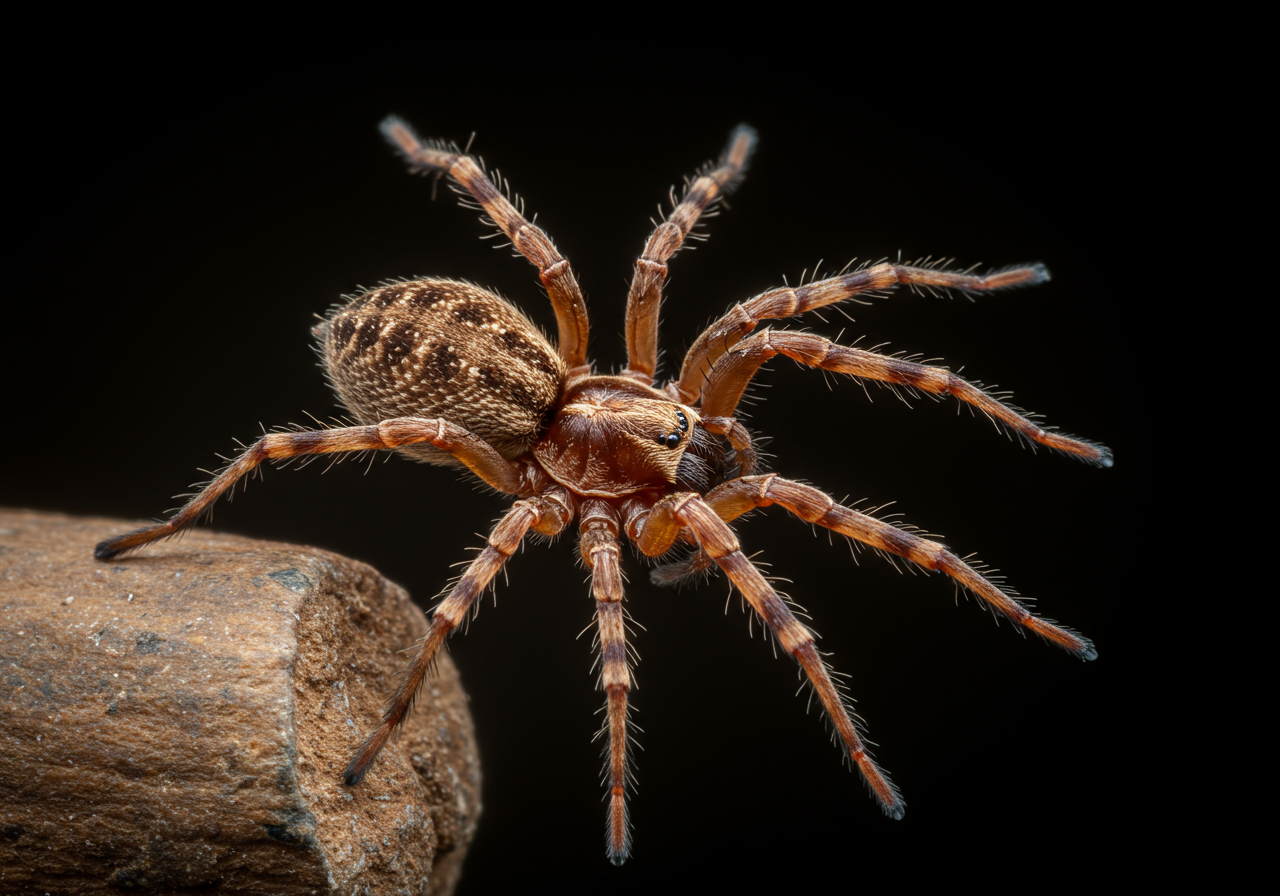
Spiders have a unique body structure compared to insects. Their bodies consist of two main parts: a front section called the cephalothorax and a rear section called the abdomen. They sport eight jointed legs, not six like insects, and are covered by a tough outer shell called an exoskeleton.
Most spiders have eight eyes, which, along with their mouth, fangs, brain, stomach, and glands, are located in the cephalothorax. At the back of their abdomen, you'll find their spinnerets, which are special tools they use to create their famous silk webs. Interestingly, spiders don’t have ears; instead, tiny hairs on their legs help them sense vibrations and smells in their environment.
Spiders come in all sorts of colors and sizes. While the colossal Goliath bird-eating tarantula can have a body up to a foot long, most spiders you’ll encounter in the United States are much smaller, usually between ¼ inch to 1 inch. Females are typically larger than males.
After mating, a female spider will lay hundreds, sometimes even a thousand, eggs inside a silk sac. These eggs hatch into tiny spiderlings, which then grow into adults. Spiders shed their exoskeleton multiple times in a process called molting until they reach their full size. In the U.S., female spiders typically live for 1-3 years, while males generally live for only a few months.
Unique Spider Habits and Characteristics
One of the most remarkable things about spiders is their ability to spin silk. This incredibly strong natural fiber is made of protein and is proportionally stronger than steel! Spiders use silk for many purposes, including building webs to catch prey, creating egg sacs, and even for traveling (a process called "ballooning"). However, not all spiders build webs; some, like the Carolina wolf spider, prefer to live on or under the ground.
Spiders are primarily hunters. They prey on insects, smaller animals, and even other spiders, generally avoiding plant materials. Many spiders patiently wait in their webs for a meal to get caught, while others are more active predators, venturing out to hunt. While spiders themselves aren't drawn to light, the insects they eat often are, which is why you might find spiders near outdoor light sources.
Being cold-blooded, spiders are quite comfortable in cooler temperatures and aren't necessarily looking for warmth. They can become less active in cold weather but are surprisingly resilient and can survive even below-freezing conditions.
Where Are Spiders Commonly Found?
Spiders are excellent at finding secluded spots and can be found almost anywhere! They prefer quiet, hidden areas that are close to food and water sources.
Indoors, you might find spiders in:
- Old boxes and cluttered storage areas
- Closets and shelves
- Basements and attics
- Garages and sheds
- Anywhere else there’s undisturbed clutter
Outdoors, spiders often make their homes in:
- Piles of wood or debris
- Under rocks
- In dense vegetation and wooded areas
- Around window sills and doorframes
Are Spiders Dangerous? Understanding the Risks
While many spiders are harmless and beneficial for keeping other pest populations in check, some species can pose a risk to people and pets. All spiders have fangs and produce venom, but the strength and effects of this venom vary greatly depending on the species. Most spiders will only bite if they feel threatened.
Symptoms of a spider bite can range from very mild to severe. Common signs include:
- Swelling, redness, or a welt around the bite
- Itching or a rash
- Blistering
- Pain in the bite area
In rarer cases, some spider bites can cause more serious reactions, such as:
- Allergic reactions
- Difficulty breathing
- Muscle pain or cramping
- Nausea and vomiting
- Fever and sweating
- Headaches
Extremely rare cases of venomous spider bites can lead to tissue damage, nervous system issues, or even be life-threatening. If you suspect a bite from a dangerous spider or experience severe symptoms, it’s always best to seek medical attention immediately.
Reclaiming Your Home from Spiders with Natural Resources Pest Control
If you're seeing too many spiders, especially types that concern you, it's time to call in the professionals. At Natural Resources Pest Control, we specialize in effective and eco-friendly spider control services designed to safely get rid of these eight-legged intruders and prevent them from coming back.
We believe in a greener approach to pest control, using products that are safe for your entire family, including your beloved pets. Our unique, proven process not only eliminates current spider infestations but also helps seal off entry points and reduce the conditions that attract them, ensuring long-term relief and reducing our environmental footprint.
Our Service Areas
Natural Resources Pest Control is proud to serve homeowners throughout South Florida, including:
- Aventura
- Bal Harbour
- Coral Gables
- Cutler Bay
- Hollywood
- Miami
- Miami Beach
- Miami Gardens
- Miami Shores
- Palmetto Bay
- Weston
- Wilton Manors
If you're dealing with a spider problem in any of these areas or nearby communities, don't hesitate to reach out.
Ready to Get Rid of Spiders Safely?
Don't let spiders make you uncomfortable in your own home. Our team at Natural Resources Pest Control is here to provide you with peace of mind and a truly spider-free environment using methods that are safe for your family and the planet.
Call us today at 305-754-4460 to schedule your spider control service!
Our Work
See the work we have done for some of our customers

We cleared up the lawn for Mr Hubble
Before

After

See how we improved the lawn for Ms Jane in Texas

More Blogs
Some other blogs you might be interested in