Rodent Control: Protecting Your Home from Pests
Discover expert advice on dealing with common household rodents like mice and rats. Learn about the signs of an infestation, the risks they pose to your home and health, and effective, homeowner-friendly strategies from Natural Resources Pest Control to achieve a rodent-free environment.
Rodents: Understanding These Pesky Invaders and How to Protect Your Home
Imagine hearing tiny scratching noises in your walls at night, or worse, finding unwelcome droppings in your pantry. These are often the tell-tale signs of a rodent problem. Rodents are more than just a nuisance; they can pose serious threats to your home and health. At Natural Resources Pest Control, we believe that understanding these common invaders is the first step to keeping your home safe and rodent-free.
What Exactly Are Rodents?
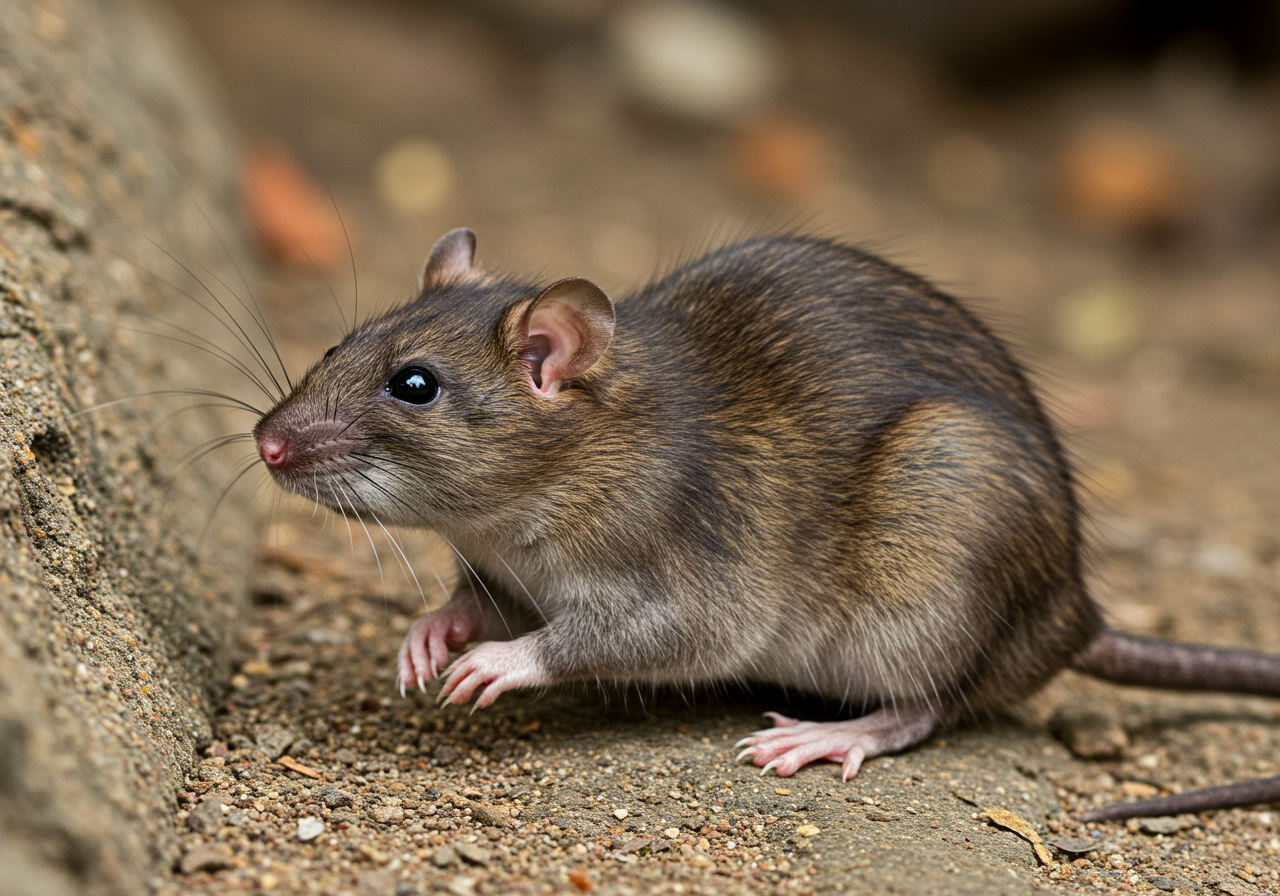
When we talk about rodents, we're referring to a vast group of mammals known for their constantly growing incisor teeth. This diverse family includes everything from the common house mouse and rats to squirrels, beavers, and even hamsters. In fact, rodents make up an astonishing 40% of all mammal species, with over 1,500 different types of animals! They've been on Earth for over 50 million years and have successfully adapted to almost every environment, living on all continents except Antarctica.
The unifying characteristic among all these creatures is their unique teeth: a pair of sharp, curved incisors in both their upper and lower jaws. These teeth never stop growing, meaning rodents must constantly gnaw on things to keep them worn down. This incessant gnawing is often what causes significant damage in our homes.
Masters of Adaptation: What Makes Rodents So Persistent?
Rodents come in a surprising range of sizes, from a tiny mouse to much larger species. But their general features make them incredibly adept at invading and surviving in human environments.
- Powerful Gnawers: Their ever-growing incisors are incredibly strong. Rats and mice can make six bites every second, and have even been known to chew through tough materials like concrete, lead pipes, and electrical wiring. This isn't just annoying; it can create fire hazards and structural damage.
- Keen Senses: Most rodents have highly developed senses of smell, hearing, and vision, which help them navigate in the dark and detect threats. Their whiskers are also crucial tools, helping them "feel" their way around tight spaces.
- Incredible Agility: Don't let their size fool you. Rodents are excellent climbers, jumpers, and burrowers. Mice, for example, can squeeze their flexible bodies through openings as small as a dime! Many rodents can also swim, with rats capable of treading water for up to three days.
- Remarkably Smart: Rodents are clever creatures. Rats can be trained to perform tricks, and mice are known to remember routes they've taken, making them challenging to catch once they've learned your home's layout.
A Rapidly Growing Problem: The Speed of Infestation
One of the most concerning aspects of a rodent problem is how quickly it can escalate. Rodents reproduce at an astonishing rate. A single female mouse can give birth to over 50 offspring annually, and she's capable of becoming pregnant again just 24 hours after giving birth! With a typical lifespan of up to 5 years for common rats and mice, it's easy to see how a small problem can turn into a full-blown infestation in no time.
Where Do They Hide? Common Rodent Hangouts
Rodents thrive both outdoors and indoors. Outside, they might live in underground burrows, tree cavities, rock crevices, or dense vegetation. However, when temperatures drop or food becomes scarce, they'll seek warmer, more sheltered spots – often inside our homes and businesses.
Look for them in:
- Attics and crawl spaces: These secluded, undisturbed areas offer perfect nesting sites.
- Wall voids and ceilings: They travel through hidden pathways.
- Basements and garages: Storage areas provide ample hiding spots.
- Kitchens and pantries: Easy access to food and water.
The Hidden Dangers of a Rodent Infestation
Beyond the discomfort and property damage, rodents pose significant health and safety risks:
- Disease Transmission: Rodents are notorious carriers of diseases. They can transmit at least 35 different illnesses to humans and pets, including salmonella, hantavirus, leptospirosis, rat-bite fever, and even indirectly, Lyme disease through fleas or ticks they carry.
- Contamination: Their droppings, urine, and saliva can contaminate food preparation surfaces, stored goods, and insulation, creating unhygienic conditions.
- Property Damage: Their constant gnawing can destroy insulation, chew through electrical wires (a fire hazard!), plumbing pipes (leading to leaks), wooden structures, and stored personal belongings. The Attic and Crawl Space Service we offer at Natural Resources Pest Control can help address damage in these common rodent havens and prevent future entry.
- Allergies: Rodent dander can trigger allergies and asthma, especially in sensitive individuals.
- Aggression: While uncommon, provoked rodents can bite humans and pets, leading to painful injuries and potential disease transmission.
Signs You Might Have a Rodent Problem
Being proactive is key. Look out for these common signs:
- Droppings: Small, dark, pellet-like droppings are often found near food sources, in drawers, or along baseboards.
- Gnaw Marks: Chewed wires, food packaging, furniture, or structural elements.
- Scratching Noises: Sounds of scurrying or gnawing in walls, ceilings, or attics, especially at night.
- Nests: Shredded paper, fabric, or other soft materials often indicate a nesting site.
- Unpleasant Odors: A musky smell, particularly noticeable in enclosed areas.
- Actual Sightings: Seeing a rodent, especially during the day, can indicate a larger infestation.
Take Action: How Natural Resources Pest Control Can Help
Dealing with a rodent infestation on your own can be challenging, frustrating, and often ineffective. Over-the-counter traps or baits might catch a few, but they rarely address the root of the problem or the entire population. This is where professional help becomes invaluable.
At Natural Resources Pest Control, we understand the unique challenges Florida homeowners face when dealing with these resilient pests. Our approach to rodent control is built on safety, effectiveness, and environmental responsibility, reflecting our commitment to eco-friendly pest control solutions. We prioritize the well-being of your family, pets, and the planet by using integrated pest management techniques that focus on long-term prevention and targeted treatments.
Our Process Includes:
- Thorough Inspection: We'll carefully inspect your home to identify entry points, nesting sites, and the extent of the infestation.
- Strategic Treatment: We employ proven methods to safely and effectively remove rodents from your property.
- Exclusion & Prevention: We'll advise on sealing potential entry points and implement strategies to prevent future infestations. Our Attic and Crawl Space Service can also help clean up mess and repair damage left behind by rodents, ensuring your home is fully protected.
- Ongoing Monitoring: We ensure the problem is resolved and stays resolved.
Don't Let Rodents Take Over Your Home!
If you're hearing noises in your walls or seeing signs of rodents, don't wait for the problem to grow. The sooner you act, the easier it is to control.
Natural Resources Pest Control proudly serves homeowners across Miami-Dade County and surrounding areas, including Miami, Miami Shores, Hollywood, Coral Gables, Palmetto Bay, Cutler Bay, Weston, Miami Beach, Aventura, Bal Harbour, Miami Gardens, and Wilton Manors.
Protect your home and family from the risks of rodents with our safe and effective solutions. Call us today at 305-754-4460 to schedule a consultation and take back your peace of mind!
Our Work
See the work we have done for some of our customers

We cleared up the lawn for Mr Hubble
Before

After

See how we improved the lawn for Ms Jane in Texas

More Blogs
Some other blogs you might be interested in