Cricket Control: Stop the Chirp, Reclaim Your Peace
Tired of the endless chirping? Crickets can turn your peaceful home into a noisy nuisance. Dive into our expert guide to understand why crickets invade, what problems they cause, and how Natural Resources Pest Control can help you get rid of them for good. Discover effective, family-friendly solutions to keep your home quiet and pest-free.
The Midnight Chirpers: How to Tackle Crickets in Your South Florida Home
There's a certain charm to the sound of crickets chirping on a warm evening, a classic soundtrack to summer nights. But that charm quickly fades when those chirps echo from inside your home, turning a pleasant outdoor sound into an irritating nightly symphony that can keep you awake. If you've found yourself listening to an unwanted serenade from these jumpy insects, you're not alone. Crickets are common household invaders, and understanding them is the first step to reclaiming your peace and quiet.
What Exactly Are Those Chirping Insects?
Crickets are fascinating insects, with over 900 known species worldwide, and about 100 of them call the United States home. They get their name from the distinctive "crik-et" sound males make by rubbing their wings together.
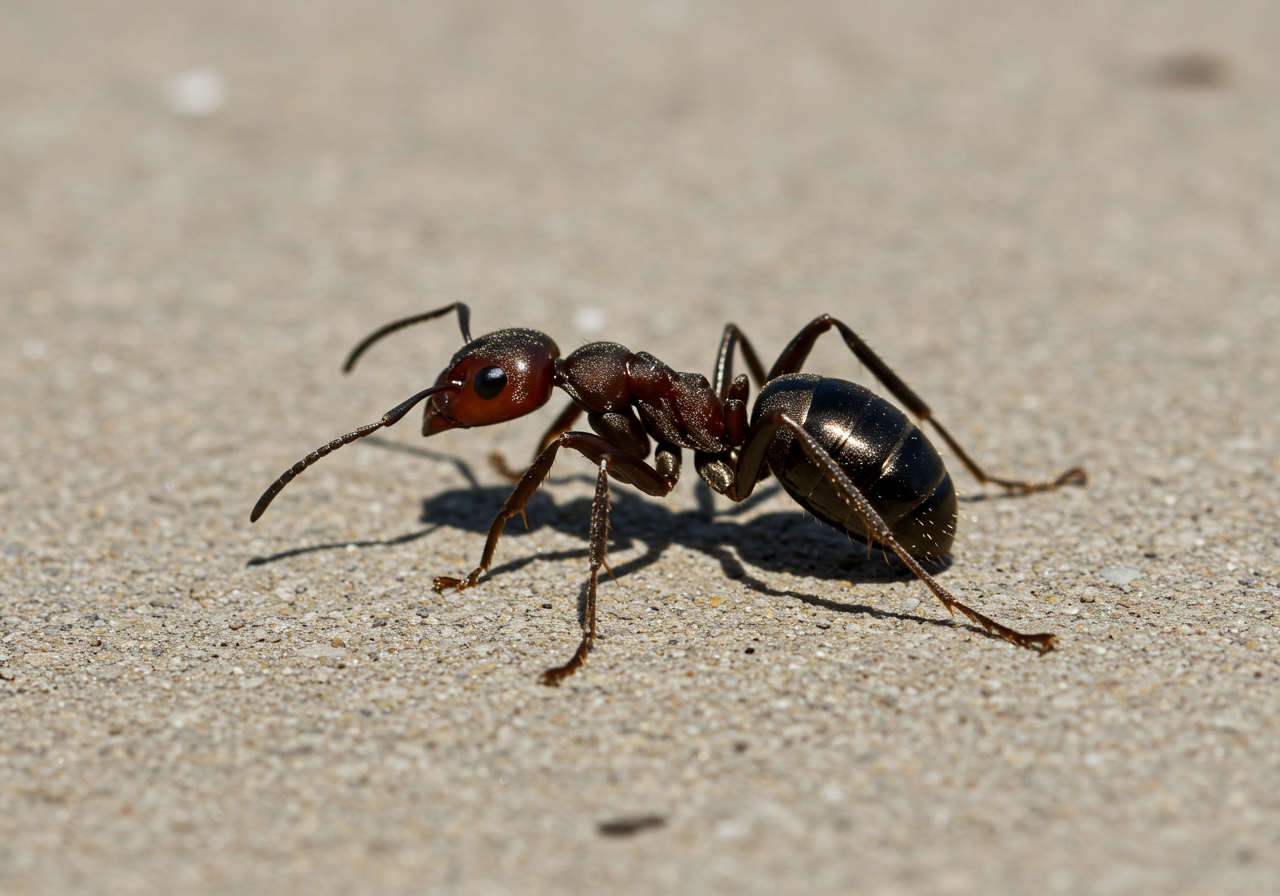
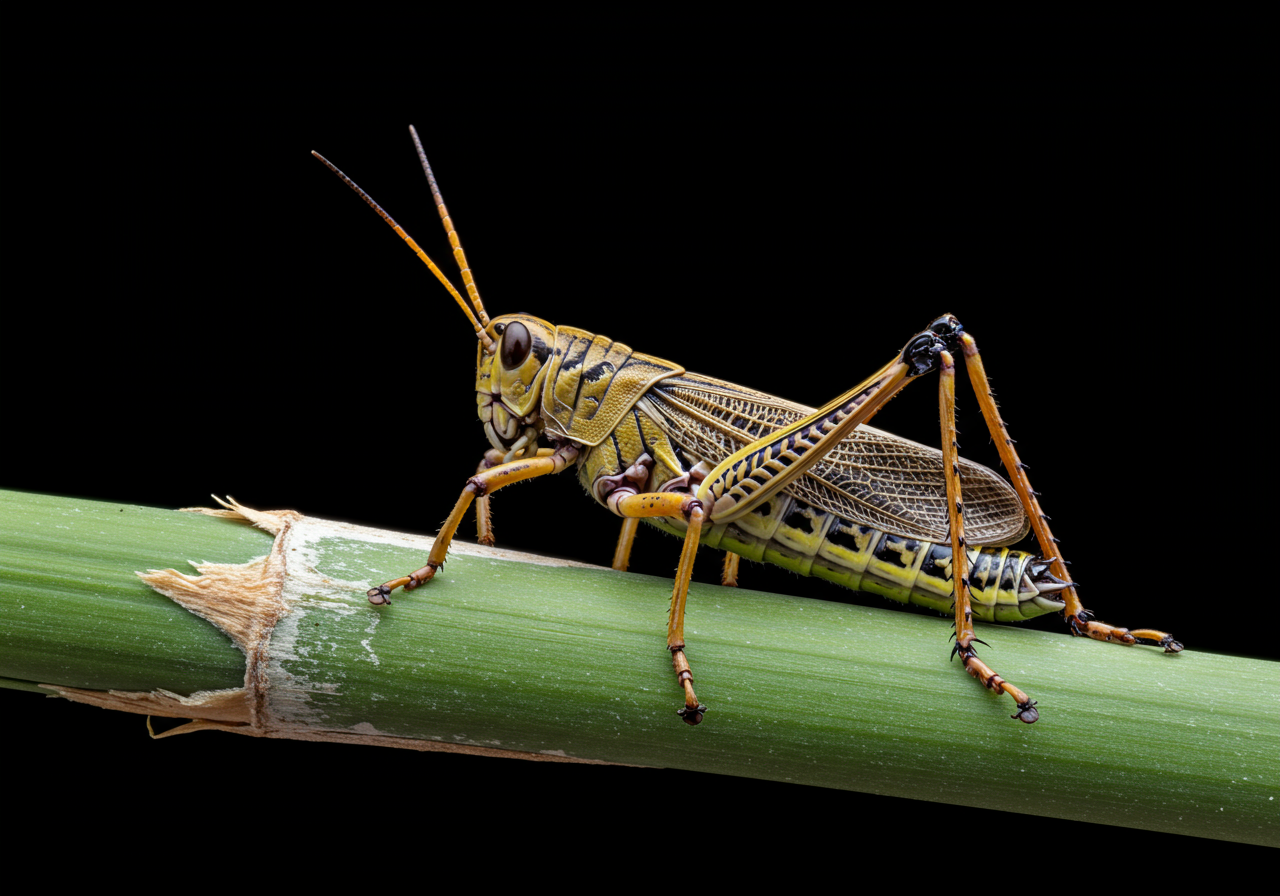
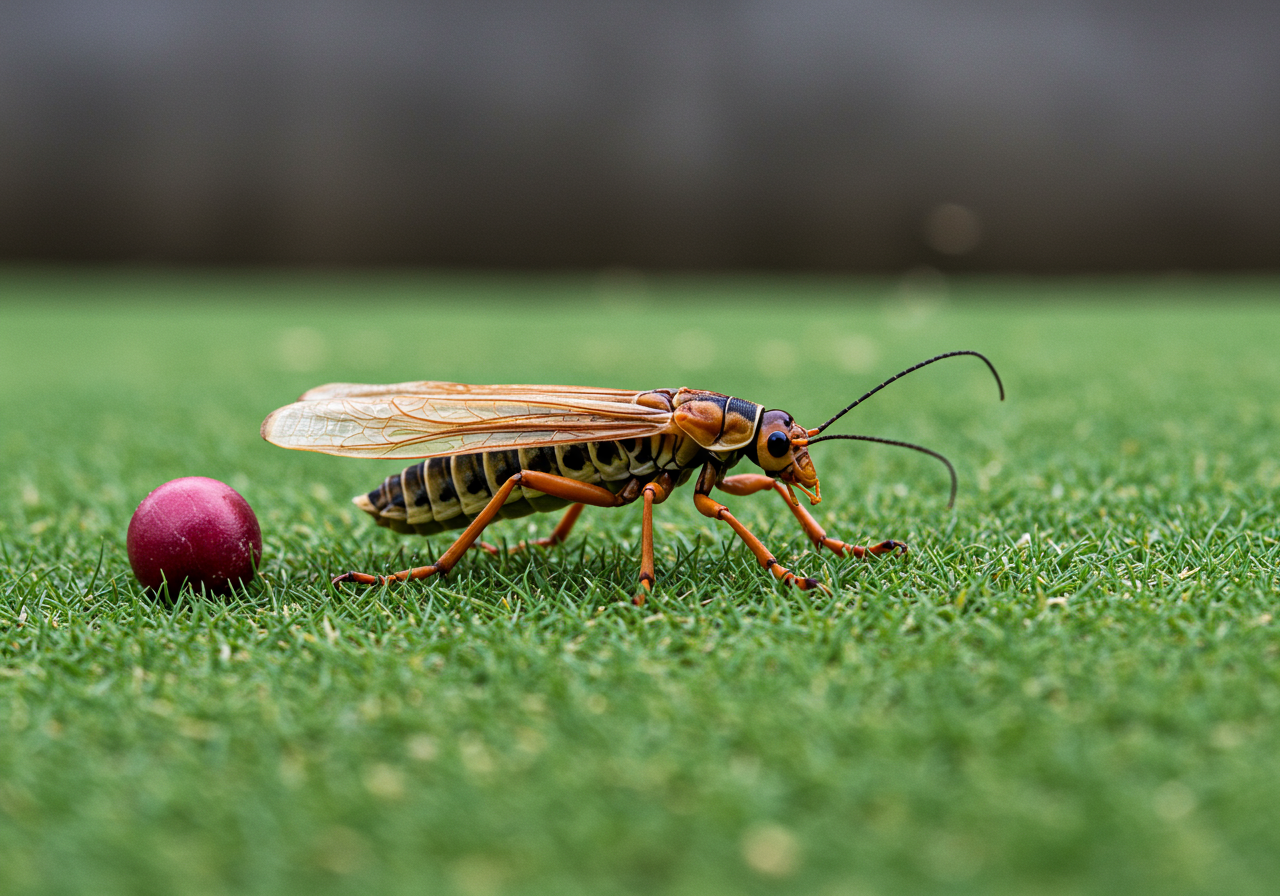
Visually, crickets can range from a tiny 1/2 inch to a hefty 2 inches long, depending on the type. While house crickets tend to be on the smaller side, field crickets can reach about an inch. Their bodies come in shades of green, red, brown, or black, sometimes with different colored markings. They have a recognizable head, middle section (thorax), and a segmented tail end (abdomen), supported by six legs. You'll also notice their two long feelers (antennae) and two pairs of wings that usually lay flat. While they have wings, crickets aren't known for flying long distances. What they are known for are their powerful hind legs, which let them jump an impressive 20 times their body length!
The Life Cycle of a Chirper
Crickets start their lives as tiny eggs, which females can lay in batches of up to 400 at a time, often in soil or plant material. Once the weather warms, these eggs hatch into nymphs, which are essentially miniature versions of adult crickets, just without wings. These nymphs will shed their skin multiple times as they grow, a process that usually takes about three months before they become full-grown adults. The average adult cricket lives for about 1 to 3 months, though some can survive up to a year in the wild.
What Makes Crickets Tick (and Chirp!)
- Nocturnal Nature: Crickets are night owls! They are most active after dark, which is why their chirping often becomes a bedtime nuisance. They use their antennae to help them navigate, find food, and detect any potential threats in the dark.
- Omnivorous Appetites: Crickets aren't picky eaters. They're omnivores, meaning they'll munch on almost anything. Outdoors, they help clean up by eating decaying plant matter and other insects. But when they come indoors, your belongings become fair game. They've been known to feast on paper, fresh fruits and vegetables, fungi, and even fabrics like clothing, curtains, and carpets. Some species even have a cannibalistic streak, eating weaker or injured crickets.
- The Chirping Call: The famous cricket chirp, or "stridulation," is mainly a male affair. They rub their wings together to create this sound, primarily to attract female crickets for mating or to warn off other males. Aside from this important communication, crickets tend to be solitary creatures, preferring to live alone.
When Crickets Become Unwanted Houseguests
Crickets love warmth, which is why they're particularly prevalent in tropical regions like South Florida. As outdoor temperatures begin to cool, or if their outdoor habitats become too dry or wet, crickets will actively seek shelter and warmth indoors. They're masters at squeezing through tiny cracks and crevices around foundations, under doors, and through open windows, finding refuge in basements, crawl spaces, utility rooms, and even attics. Once inside, they'll seek out dark, moist areas to hide during the day.
The Hidden Dangers of a Cricket Invasion
Beyond the annoying nighttime chirping that can disrupt your sleep (which is often the most immediate complaint from homeowners), crickets can pose real problems for your home and belongings:
- Property Damage: As mentioned, their broad diet means they can damage fabrics, paper goods, houseplants, and even stored food items. Imagine finding holes chewed through your favorite sweater or important documents!
- Attracting Other Pests: Crickets can also attract other unwanted pests. Spiders, rodents, and other predators will follow crickets into your home, turning one pest problem into several.
Reclaiming Your Peace: Professional Cricket Control is Key
Dealing with a cricket infestation on your own can be frustrating. Store-bought traps and sprays often only tackle a small part of the problem, leaving the main population undisturbed and ready to multiply. That's where professional pest control comes in.
At Natural Resources Pest Control, we understand the unique challenges crickets present to South Florida homeowners. We specialize in providing effective, environmentally responsible solutions to manage and eliminate cricket populations. Our approach isn't just about getting rid of the crickets you see; it's about addressing where they come from and preventing their return.
We pride ourselves on using safe products that protect your entire family, including your beloved pets, which is a core part of our commitment to eco-friendly pest control. Our proven process safely gets rid of unwanted pests quickly and ensures they don't come back, allowing you to enjoy your home without the incessant chirping. From a thorough inspection of your property, including common hiding spots like attics and crawl spaces, to targeted treatments, we ensure comprehensive cricket control.
Your Local Pest Control Experts in South Florida
Natural Resources Pest Control has been helping families in South Florida live pest-free since 1986. We're a family-owned business dedicated to serving our community with integrity and expertise. If crickets are making your nights unbearable, our team is ready to help.
We proudly serve homeowners throughout Miami-Dade County, including:
- Miami
- Aventura
- Bal Harbour
- Coral Gables
- Cutler Bay
- Hollywood
- Miami Beach
- Miami Gardens
- Miami Shores
- Palmetto Bay
- Weston
- Wilton Manors
Ready to Say Goodbye to the Chirping?
Don't let crickets steal your peace and quiet or damage your belongings. If you're tired of their nighttime serenades, it's time to call the experts. Contact Natural Resources Pest Control today at 305-754-4460 or email us at nrpcfl@gmail.com to schedule an inspection and get a personalized solution tailored to your home. Let us help you enjoy a quiet, pest-free home once more!
Our Work
See the work we have done for some of our customers

We cleared up the lawn for Mr Hubble
Before

After

See how we improved the lawn for Ms Jane in Texas

More Blogs
Some other blogs you might be interested in