Grasshoppers: Natural Solutions for a Healthy Garden
Are grasshoppers munching on your prized plants and ruining your garden's beauty? Discover easy-to-understand, natural solutions to protect your home and garden from these common pests. Learn how to spot grasshopper damage and apply effective, eco-friendly strategies to keep them away. Our helpful tips are designed for homeowners like you, ensuring your plants thrive without resorting to harsh chemicals. Read on to reclaim your healthy, vibrant garden!
Battling the Backyard Munchers: A Homeowner's Guide to Grasshopper Control
Few insects are as iconic as the grasshopper. Their sudden leaps and distinctive "chirp-like" songs are a common soundtrack to summer days. While these green and brown jumpers might seem harmless, a growing number of them can quickly turn your beautiful garden into a buffet, causing significant frustration and damage for homeowners.
At Natural Resources Pest Control, we understand the delicate balance of nature in your backyard. We're here to help you understand grasshoppers and offer eco-friendly solutions to protect your plants and peace of mind.
What Are These Hopping Critters?
Grasshoppers are fascinating insects, with over 11,000 different species found worldwide. In some cultures, they're even a symbol of good luck or a culinary delight! But here in South Florida, they're often viewed as unwelcome guests, especially when they start chowing down on your prized roses or vegetable patch.
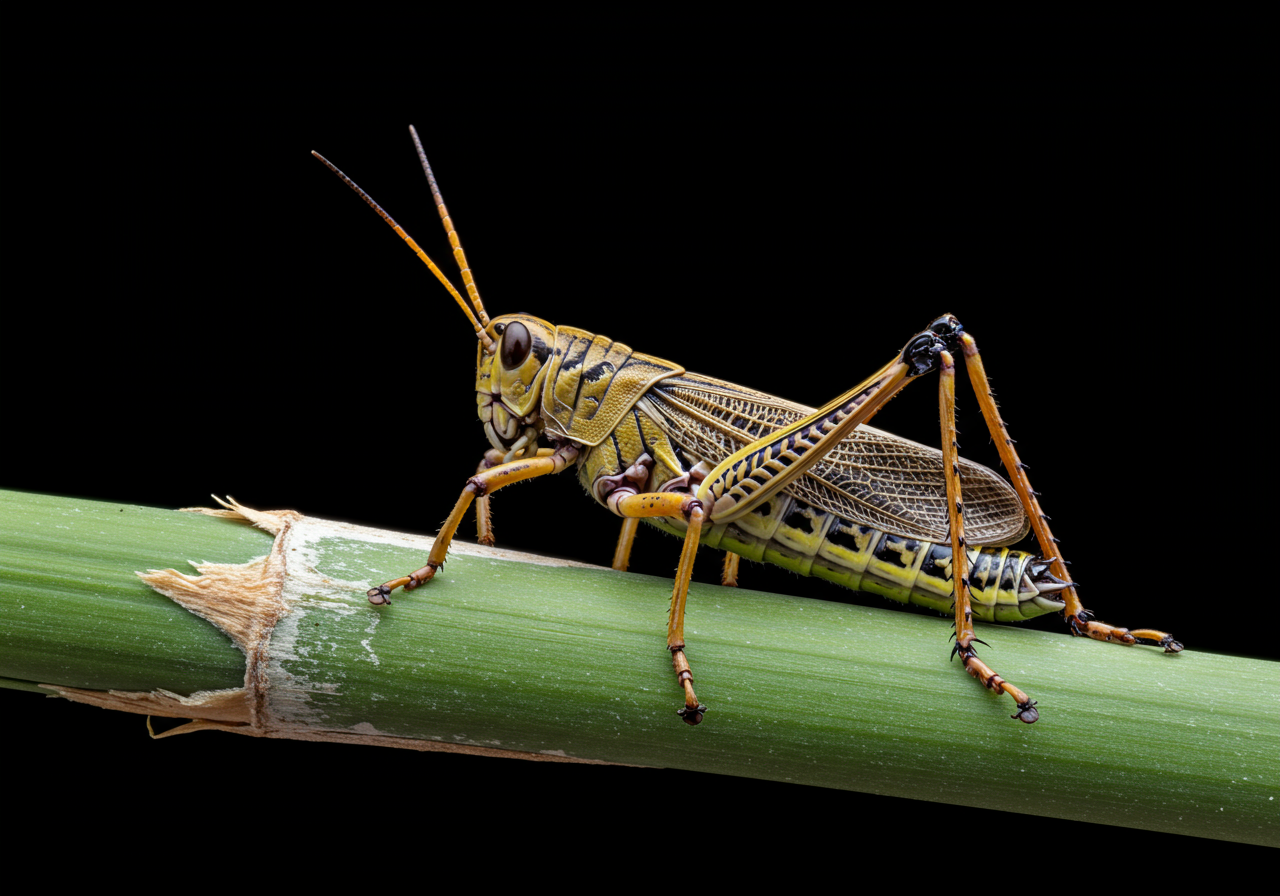
What do they look like? Adult grasshoppers typically measure between 1 to 7 centimeters, depending on the type. They come equipped with two pairs of wings, two antennae, and those famously long, powerful legs that allow them to jump an impressive 20 times their own body length! Their usual green and brown colors are perfect for blending into the foliage, helping them hide from predators. However, some species have a surprising trick up their sleeve, flashing brightly colored wings to startle anyone who gets too close.
More Than Just Jumpers: Unique Grasshopper Traits
While their jumping prowess is legendary, did you know most grasshoppers can also fly? They use their mighty legs to launch into the air, then deploy their wings for sustained flight. Another lesser-known fact: their "ears" aren't on their heads but cleverly located on the underside of their abdomen!
Grasshoppers thrive in warm, dry weather, making our Florida summers a prime season for them. During periods of drought, you might even notice their numbers really start to climb. Much like us, they are most active during the day, resting when the sun goes down.
Their Habits: What They Do and Why It Matters to Your Garden
Grasshoppers are strict vegetarians, or "herbivores." This means their main diet consists of plants, vegetables, and all sorts of greenery – basically, anything tasty in your garden or lawn. They also create their characteristic "music" by rubbing their hind legs against their forewings, a process called stridulation.
When they feel threatened, grasshoppers have a unique defense mechanism: they "spit" a brown liquid, often called 'tobacco juice.' While it's not poisonous, it's certainly startling and can be enough to deter a curious pet or a potential predator.
The Hidden Risks: When Grasshoppers Become a Problem
Individually, a grasshopper or two in your garden might not be a big deal. However, when their populations explode, these seemingly harmless insects can become a real menace. They can swarm in large groups, leading to widespread damage to crops and landscapes. For homeowners, this means your carefully cultivated garden, lush lawn, and precious plants are all at risk. Imagine spending hours tending to your backyard oasis, only for a horde of grasshoppers to turn it into shredded leaves and stems!
Globally, grasshoppers and locusts (a type of grasshopper that swarms) are responsible for billions of dollars in agricultural damage annually. In the U.S. alone, they cause over $1.5 billion worth of crop damage. This stark number highlights just how destructive these seemingly small creatures can be. What's bad news for large farms can quickly become bad news for your home garden, too.
When to Seek Professional Grasshopper Control
If you're noticing more than just a few grasshoppers, if your plants show signs of heavy feeding (ragged holes in leaves, chewed edges), or if you're concerned about preserving your landscape, it might be time to consider professional help. While DIY methods can offer temporary relief, severe infestations require a more strategic and long-lasting approach.
At Natural Resources Pest Control, we specialize in effective, eco-friendly solutions. We understand that your home is your sanctuary, and the safety of your family and pets is paramount. That's why we utilize a proven process that safely eliminates pest infestations like grasshoppers and helps prevent future outbreaks, all while reducing our carbon footprint. Our commitment to a greener approach means we prioritize products and methods that are safe for people, animals, and the planet.
Protect Your Green Space with Natural Resources Pest Control
Don't let grasshoppers turn your beautiful South Florida yard into a barren landscape. Our team of experienced professionals is dedicated to providing tailored pest control solutions that respect your property and the environment. We've been a family-run business since 1986, and our passion for the outdoors drives our eco-conscious mission.
Whether you're in Miami, Coral Gables, Hollywood, Aventura, Miami Beach, Cutler Bay, Palmetto Bay, Weston, Bal Harbour, or anywhere across Miami-Dade County and beyond, Natural Resources Pest Control is your trusted partner for effective and responsible pest management. Our services, including comprehensive pest control and organic plant & lawn care, are designed to keep your outdoor spaces thriving.
If grasshoppers are eating away at your garden and your peace of mind, it's time to act. Call Natural Resources Pest Control today at 305-754-4460 or visit our website to schedule a consultation. Let us help you reclaim your yard!
Our Work
See the work we have done for some of our customers

We cleared up the lawn for Mr Hubble
Before

After

See how we improved the lawn for Ms Jane in Texas

More Blogs
Some other blogs you might be interested in